Hospital Medicine: Where We’ve Been and Where We’re Going
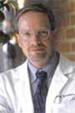
Robert M. Wachter, MD, professor and chief of the medical service at the University of California, San Francisco (UCSF) Medical Center and director of its hospital medicine group, addressed the audience at the 8th Annual Meeting of the Society of Hospital Medicine (SHM), along with several other noted leaders. Shortly before the meeting, Wachter shared his insight on the initial years of hospital medicine as well as the complexities, challenges, and opportunities the future holds for hospital medicine groups with The Hospitalist.
Well known for having coined the term “hospitalist” in a 1996 New England Journal of Medicine article, Wachter provided a brief outline of the birth of the hospital medicine discipline. He recalled that the initial growth of the field was slow, but it gained momentum as healthcare facilities began to perceive this specialty as an effective way to fulfill a need. During the last 10 years, hospitalists have made clear their value as agents of throughput, systems management, resource utilization, physician practice improvement, round the clock availability, and medical student education, always placing patient safety, satisfaction, and quality at the forefront of the practice. During the next 10 years―and beyond―Wachter envisions an evolution in the critical role hospitalists will play in the continued delivery of quality health care, although he does admit there are some obstacles in the path.
Surgical Co-management
Having established their core role as managers of medical inpatients, hospitalists are setting their sights on other goals. “It’s logical and inevitable that hospitalists will take on roles in surgical co-management,” Wachter says. “Patients who are sick enough to be inpatients for surgery often have multiple medical illnesses. And surgeons are in the OR for much of the day, in some ways like primary care doctors’ being in the office.” Although the data to support this model are limited presently, he believes that good co-management programs will likely lead to an increase in the quality of care, efficiency and patient satisfaction as well as surgeon satisfaction. “This makes … intuitive sense, just as the whole hospitalist idea made sense 10 years ago,” he says.
Wachter admits that the transition will probably be gradual, because of the many clinical, economic, and political complexities. In many cases, surgeons receive a global fee , linked to the expectation that they will administer preoperative and postoperative care. “It will be tricky to try to figure out how to compensate the hospitalist for surgical co-management,” Wachter says. However, he expects the financial aspect of surgical co-management to eventually work itself out. “If there is a more efficient way to manage patients and a way to free up beds, hospitals will be interested in supporting it,” he says. Wachter anticipates a 5- to 10-year evolution before this model becomes widely embraced.
Patient Safety and Quality Improvement
Timing is everything, and for hospitalists the timing could not have been better. “The hospital medicine movement evolved precisely when American medicine began to care about safety and quality,” says Wachter. ”When I first read the Institute of Medicine report on patient safety, ‘To Err is Human,’ in 1999, I knew that we had a tremendous opportunity to make a difference.” Wachter notes that in the past, incentives for high quality performance were lacking. “That is changing rapidly,” he says. With the profusion of Joint Commission on Accreditation of Healthcare Organizations (JCAHO) mandates, Centers for Medicare and Medicaid Services (CMS) metrics, Leapfrog initiatives, and other quality measures, patient safety and quality have become top priorities. Since hospital medicine encompasses all the vital aspects of quality improvement and patient safety―from understanding transitions and working collaboratively with other medical specialists to improving systems and more effective oversight―hospitalists are becoming the “goto people,” according to Wachter. This is incredibly healthy for our field, he notes, “but more importantly, it will help save.”