SHM Converge 2026 in Nashville is packed with 20 educational tracks and more than 100 sessions. Members of The Hospitalist’s editorial board share a few of the sessions they’re excited to attend.
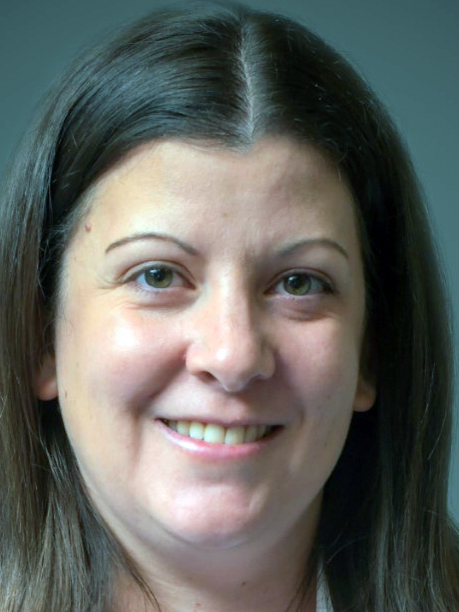
Dr. Caputo-Seidler
Jennifer Caputo-Seidler, MD, hospitalist and assistant professor of medicine at the University of South Florida Morsani College of Medicine in Tampa, Fla.
I always enjoy watching my colleagues succeed at Converge. This year, I’m especially looking forward to “Updates in Clinical Guidelines” from Dr. Michael Roberts. For the last few years, Dr. Roberts has given this talk to the SHM Tampa Bay chapter, and it is always a huge hit with the audience. It’s also been a practice-changing experience for me. After last year’s talk, I’ve adopted a more aggressive approach to initiating all four pillars of goal-directed medical therapy for my heart failure patients before discharge. I’m excited to leave Nashville with more evidence-based, actionable improvements for my practice.
As the hospital medicine liaison to my institution’s trauma program, I’m also excited to see “Achy Breaky Hips: A Hospitalist’s Guide to Hip Fractures” on the schedule. The perioperative and co-management content at Converge is always superb. Historically, these sessions have provided evidence-based strategies and best practices that are immediately translatable to clinical practice. I’m expecting to leave this session with ideas to improve the quality of care for our patients with hip fractures and to strengthen our geriatric hip fracture co-management program.
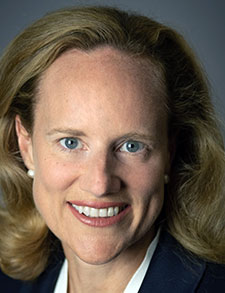
Dr. Morris
Jensa Morris, MD, director of the Smilow hospitalist service and chief of inpatient medical services at Smilow Cancer Hospital at Yale New Haven Health, and associate clinical professor of medicine at the Yale School of Medicine, both in New Haven, Conn.
If you’re an oncology hospitalist, SHM Converge 2026 is shaping up to be absolutely unmissable. The conference keeps getting better each year, and this time around, I’m thrilled to see more cancer-focused content reflecting our field’s rapid growth. Here are my three must-attend sessions.
First up on Monday, March 30, at 2:45 pm, don’t miss Dr. Bianca McLean of Yale Health in New Haven, Conn. at The Third Annual MedTed Competition. She’ll be breaking down cellular therapy—covering clinical applications, potential complications, and evidence-based management strategies. As chimeric antigen receptor T cell, or CAR-T, and other cellular therapies become increasingly common on our services, this knowledge is now essential.
Later that afternoon at 4:15 pm, Dr. Patricia Litkowski and her team from Washington University’s Barnes-Jewish Hospital in St. Louis deliver “Sweet Tea, Grits and Diagnostic Hits,” tackling one of our most common clinical conditions: fever in the cancer patient. I’ve heard Dr. Litkowski present before, and she is brilliant and engaging. I’m expecting practical pearls I can use immediately.
On Tuesday, I will co-present “Honky tONC Blues No More” with Dr. Naomi Hodde. We’ll walk through the complete inpatient cancer journey, from the initial diagnosis to end-of-life care. It’s the kind of comprehensive, real-world discussion that captures what we do every day.
I couldn’t be more excited about the increasing oncology hospital medicine content: more evidence that the field of hospital medicine continues to grow, expand, and specialize.
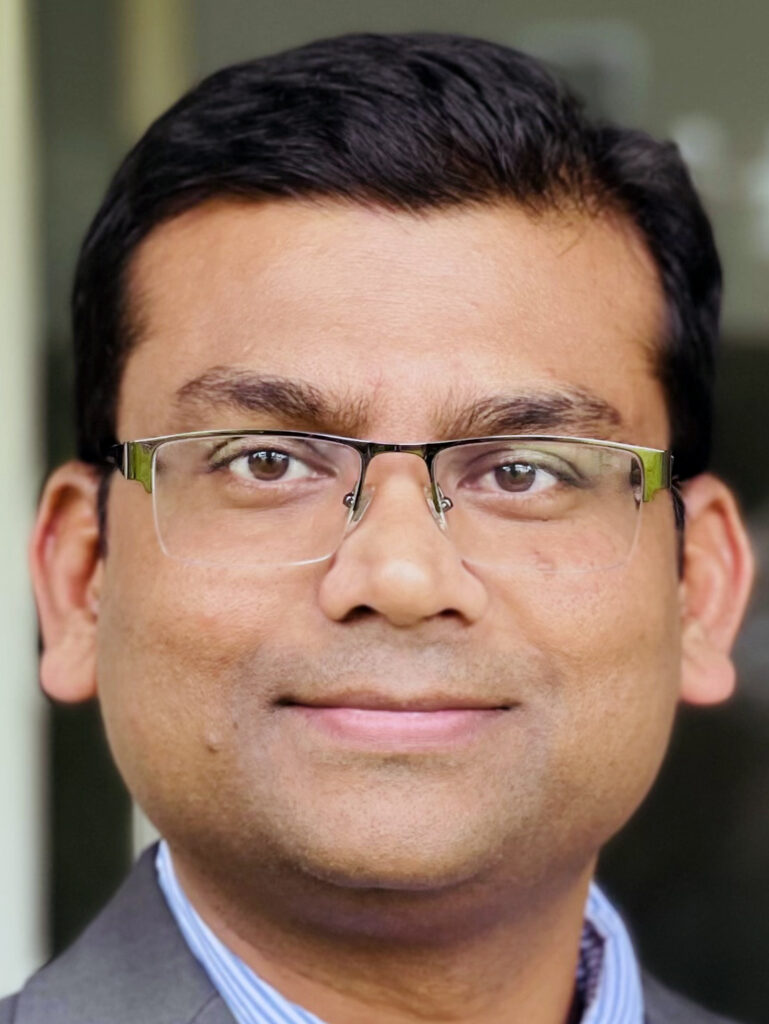
Dr. Talari
Goutham Talari, MD, FACP, SFHM, hospitalist and vice chair, department of medicine at AdventHealth in DeLand, Fla., and assistant professor at Florida State University College of Medicine in Daytona Beach, Fla.
Attending the SHM conference is one of the most energizing times of the year for hospitalists. While conference agendas can feel overwhelming, intentional session selection can transform a meeting from a passive experience into a meaningful investment in clinical practice and career development. As I reviewed the Converge agenda, I focused on sessions that advance three priorities central to hospital medicine today: updating clinical knowledge, improving quality and outcomes, and supporting long-term career sustainability.
First, “Update in Anticoagulation: Don’t Chicken Out, Learn About the Hottest Recent Studies” remains essential for every practicing hospitalist. It will cover rapidly evolving evidence surrounding direct oral anticoagulant use in complex populations, including patients with advanced chronic kidney disease, obesity, and malignancy, and those in periprocedural settings. This session offers practical clarity for decisions we make daily that carry significant risk if misapplied. Similarly, “Updates in Clinical Guidelines” provides a high-yield synthesis of new recommendations that directly influence inpatient management, helping clinicians distinguish truly practice-changing updates from background noise.
I am particularly drawn to sessions focused on Things We Do for No Reason™. These sessions challenge deeply ingrained habits and promote thoughtful de-implementation of low-value care. Importantly, the insights gained from these sessions extend beyond individual practice, as hospitalists carry this knowledge back to their teams and institutions to drive broader improvements in hospital outcomes.
The session, “After Hours: Optimizing Night Float and Cross Cover in Hospital Medicine” speaks directly to patient safety, communication breakdowns, handoff quality, and clinician burnout.
Looking ahead, artificial intelligence in hospital medicine represents both opportunity and responsibility. Understanding how AI can augment clinical decision making, risk stratification, and documentation, while remaining mindful of its limitations and ethical implications, is essential for thoughtful adoption.
Finally, addiction medicine and career-focused sessions round out a balanced agenda. Substance use disorders account for a growing share of hospitalizations, placing hospitalists at the center of evidence-based treatment initiation. Career-focused sessions, meanwhile, provide space for reflection on leadership development, role diversification, and sustaining a meaningful career in hospital medicine.
Together, these topics sharpen clinical skills, improve systems of care, and invest in a durable, meaningful, professional trajectory in hospital medicine.
Mr. Facklam
Arnold Facklam, NP, FHM, adult hospital medicine nurse practitioner and nocturnist with First Physicians Group at Sarasota Memorial Health System in Sarasota and Venice, Fla., and a member of SHM’s NP/PA advisory council
As a hospital medicine nurse practitioner and nocturnist, I am looking forward to Converge 2026. It gives me the chance to come out into the light and spend time with fellow hospitalists to discuss and learn about both current and emerging topics.
Cognitive overload is not just an abstract concept for hospitalists—it is the lived reality of daily practice, especially for those of us working nights. I will not miss the session “Cognitive (Over)load in Hospital Medicine: Impacts on Diagnosis and Approaches to Mitigating.” This session promises to delve into cognitive load theory and its relationship to hospitalist practice. The presenters use real cases and recent research to show how overloaded clinicians think when faced with constant interruptions and patients requiring complex care. These demands add to our mental burdens and can impair diagnostic accuracy. The speakers identify the problems and offer strategies that are practical and evidence-based to help reduce cognitive overload.
Another session I plan to attend is “Generative AI for the Hospitalist: A Practical Approach in a Rapidly Changing World.” Gone are the days when our lab coat pockets were filled with notes and pocket-sized clinical reference books (like “The Harriet Lane Handbook”) just to quickly look up something like a porcelain level (my pediatric colleagues will get that reference). This session begins with an overview of how generative AI works, where it is useful, and where it still needs improvement. The presenters discuss current applications, ongoing initiatives, hospital course generation (creating a summary of an entire inpatient stay), patient-friendly discharge instructions, and more. The time-saving tools described in this session, I believe, will give us more time with our patients and ultimately enhance patient care.
Dr. Garg
Neha Garg, MD, FACP, chair of the department of medicine, physician lead of hospitalist group, secretary-treasurer of the medical executive committee, and glycemic excellence physician lead at Providence Medford Medical Center in Medford, Ore., and vice president of SHM’s Oregon/SW Washington chapter
I’m absolutely thrilled to attend SHM Converge 2026, especially with Nashville as the backdrop. SHM meetings consistently do a great job of bringing hospitalists from across the country together to learn, reflect, and walk away with ideas we can actually apply on our very next shift.
There are many sessions I’m looking forward to, but a few immediately caught my attention. One is “My Bad! (Please Don’t) Just Sue Me!—Common Reasons Why Hospital Medicine Physicians Get Sued and How to Mitigate Risk.” I’m eager to learn how communication and documentation can increase or reduce medicolegal risk, and it will be especially helpful to learn from real-world scenarios.
I’m also excited for “Top 5 AI Applications Transforming Medicine and What You Need to Know.” AI is no longer a distant concept; it’s already shaping our workflows. I’m looking forward to learning how hospitalists can use AI tools thoughtfully and responsibly while keeping patient care front and center.
SHM Converge 2026 promises to be an energizing, forward-thinking meeting that captures everything I love about hospital medicine.
Dr. Ethan Molitch-Hou
Ethan Molitch-Hou, MD, MPH, SFHM, assistant professor, director of hospital medicine sub-internship, core faculty for the internal medicine residency program, and co-director of the Care Transition Clinic at the University of Chicago Medical Center in Chicago
SHM Converge is a time to reconnect with my medical home, where I visit with colleagues from afar and get to learn where the field is changing and growing. Nothing captures how the field is advancing more than the “Top 5 AI Applications Transforming Medicine and What You Need to Know” talk. Medicine is going through a rapid period of change, and this talk covers the areas where it is most active, from helping me write my notes to helping my diagnostic skills.
We need to be able to adapt to a world where AI becomes a tool in our arsenal. We need to learn to use it well and know the strengths and weaknesses, so we can better care for our patients and train the next generation who will be using it at even higher rates. Beyond this emerging technology, staying up to date with the “Updates in Hospital Medicine” and “Things We Do For No Reason™” remain my standard go-tos for the fun and engaging approach to my day-to-day clinical care.
Dr. Migliore
Christopher Migliore, MD, MS, FACP, FHM, an assistant professor of medicine at Columbia University College of Physicians and Surgeons and director of general perioperative medicine and consult services and medical director of surgery and surgical step-down at Columbia University Medical Center, both in New York
Academic Summit!
Show Your Badge Discounts at Converge 2026
Explore Nashville and save during your stay as an SHM Converge 2026 attendee! Be sure to check out the Show Your Badge discount opportunities, along with other special offers available for you to enjoy while you’re in town.
More Must-Attend Quick Takes
A Giant Leap: Lessons from the Early Days of Generative AI-Meets-Healthcare
Dr. Robert Wachter, chair of the UCSF department of medicine and a pioneer in hospital medicine, authored “A Giant Leap: How AI is Transforming Healthcare and What That Means for Our Future” (2026). Following the launch of ChatGPT, Dr. Wachter evaluates whether AI is finally achieving its potential in healthcare and what role hospitalists will play.
Finding Your Rhythm: Exploring the Phenotypes of Hospital Medicine
Learners and early-career physicians often feel overwhelmed by various career paths in hospital medicine. This session explores professional phenotypes—Clinical Excellence, Clinical Leadership and Administration, Education Leader, and Researcher—highlighting each role’s unique responsibilities and potential career trajectories.
Updates in Pneumonia
Dive into the latest breakthroughs reshaping how hospitalists diagnose and treat pneumonia. This fast-paced, clinically focused session tackles real-world dilemmas—from early IV-to-oral transitions and shorter antibiotic courses to the evolving role of procalcitonin, diagnostic stewardship, and steroids.
From Grand Ole Scan to Grand Ole Plan: A Clinical Point of Care Ultrasound Image Trivia Challenge
This session is a highly interactive, small-team-based, friendly competition where the teams review POCUS video and image clips and clinical cases that will help illustrate how to integrate POCUS into clinical care.
Life-Threatening Inpatient Endocrine Emergencies
This session will review complex presentations of endocrine emergencies that are commonly overlooked and describe diagnostically challenging cases encountered in critically ill inpatients.
Delirium Superimposed on Dementia—Best Practices for Hospitalists
Delirium superimposed on dementia is associated with poorer clinical outcomes, including accelerated cognitive decline, functional impairment, and increased mortality. This session describes pharmacological and non-pharmacological management and lists key care transitions to optimize care following hospitalization.
When Your Team Is Running on Empty: Practical, Science-Backed Strategies for the 7-On Reality
In this keynote, Rachel Tenenbaum, MCC, certified neurotransformational coach and founder of The Reset Room in Leesburg, Fla., guides healthcare practitioners through practical, science-backed strategies that strengthen clarity, connection, and resilience in the moments that matter most.
Change Management for Hospitalist Leaders: Best Practices for 2026
Hospitalist leaders and aspiring leaders will be guided through the key aspects of change management, starting with a 30,000-foot view of the value proposition, then transitioning to the specifics of initiating and executing change management at the organizational level, including tailored strategies and negotiation skills to help close the deal.
Byte-Sized Breakthroughs: Updates and Insights from Generative AI on the Wards
Session presenters start with a brief overview of generative artificial intelligence, then discuss its current applications in the field of hospital medicine, underscored by ongoing initiatives at NYU Langone Health in New York. They’ll highlight the ongoing pilot of automatic hospital course generation, clinical trial for patient-friendly discharge narratives, enhancement of patient safety by identifying discordance between clinical notes and orders, and screening of secure messages for those with high clinical urgency.
Optimizing Transitions of Care: Lessons from a Hospital Medicine Transitions Clinic
Transitions of care are a critical inflection point for reducing readmissions and improving value-based outcomes. This session showcases a hospitalist-led transitions clinic model that evolved from a virtual chronic-obstructive-pulmonary-disease pilot to a multi-disease, hybrid clinic supporting patients across the care continuum.
Changing Your Tune: A Trauma-Informed Approach to Challenging Encounters in the Hospital
Challenging patient encounters in hospital medicine, such as those involving misaligned goals, system issues, or verbal or physical violence, frequently contribute to provider burnout. This interactive session introduces trauma-informed care as a novel framework for understanding and managing these difficult situations.