CLINICAL QUESTION: Among infants who experience brief resolved unexplained events (BRUE) (irrespective of their American Academy of Pediatrics [AAP] risk stratification), how often do specialty consultations and diagnostic tests identify an underlying cause?
BACKGROUND: While the AAP offers specific recommendations for the subset of BRUE patients who meet lower-risk criteria, there is no guidance for the management of higher-risk patients. In these cases, clinicians must decide whether to conduct testing or involve subspecialists, a choice that may lead to increased hospitalizations or unnecessary testing. Prior small cohort studies indicated that almost all higher-risk patients who presented with BRUE underwent evaluation by subspecialists. Despite this common practice, no studies have assessed the impact of these consultations.
STUDY DESIGN: A retrospective cohort study
SETTING: Multisite, across 11 Canadian sites
SYNOPSIS: Investigators reviewed records from 1,042 infants under 1 year old who presented with a BRUE, excluding those with prematurity less than 28 weeks, comorbidities, preceding symptoms, or abnormal findings inconsistent with BRUE. Index visits and encounters within 90 days were examined for diagnostic testing, subspecialty consultations, and confirmed or probable explanatory diagnoses. Most infants (82%) underwent diagnostic testing, and 42% received subspecialty consultation. Testing identified an explanatory diagnosis in only 8.4% and a serious diagnosis in 5.4%, while incidental or nonsignificant findings were common (65%). Common tests (complete blood counts, electrolytes, blood gases, ECGs) had low diagnostic accuracy, with several showing false-positive rates over 50% and often prompting further unnecessary testing or consultation. Electroencephalograms had the highest sensitivity among frequently used studies. Consultations identified diagnoses in 27.7% of those evaluated, most often neurology for seizure detection. Results among infants meeting higher-risk criteria were similar to the overall cohort. Overall, broad diagnostic testing and consultations for BRUE rarely identified clinically meaningful conditions, supporting more selective evaluation strategies.
BOTTOM LINE: In the evaluation of patients presenting with BRUE, routine diagnostic tests and subspecialty consultations provide limited benefit, reinforcing previous recommendations to limit low-yield testing and focus on careful history, examination, and risk stratification while exploring more targeted testing approaches in future research.
CITATION: Nama N, et al. Specialty consultations and diagnostic testing accuracy after brief resolved unexplained events: a multicenter observational study. Hosp Pediatr. 2025;15(7):563- 572. doi: 10.1542/hpeds.2024-008305.
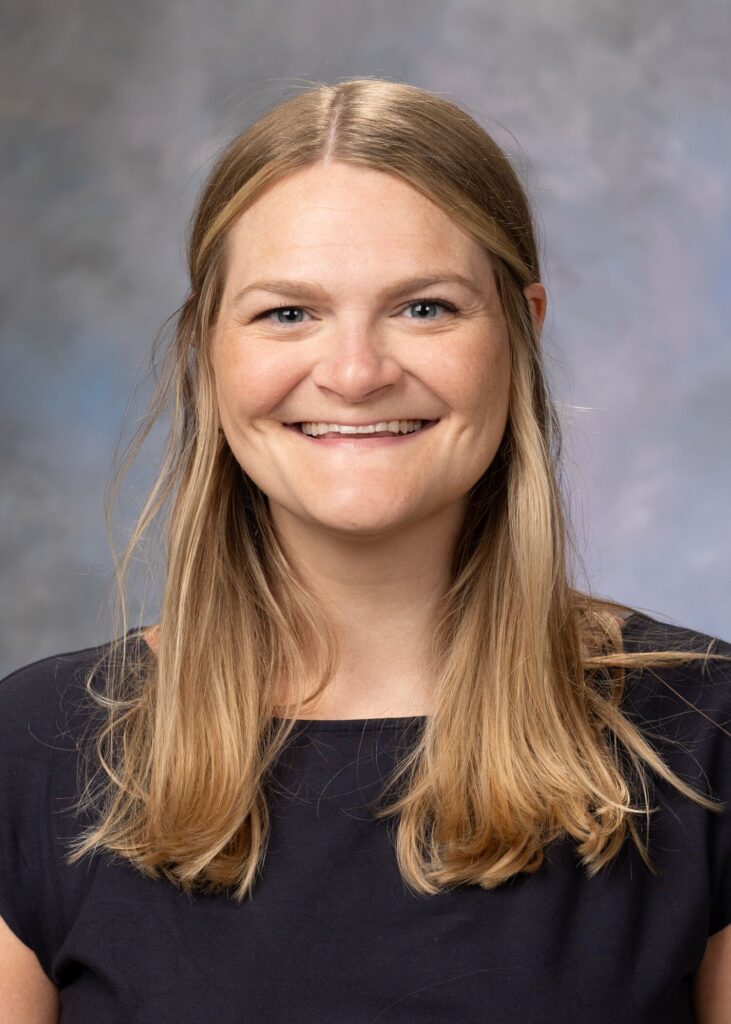
Dr. Max
Dr. Max is a pediatric hospital medicine fellow at Nationwide Children’s Hospital in Columbus, Ohio.

Dr. Coe
Dr. Coe is a pediatric hospitalist at Nationwide Children’s Hospital in Columbus, Ohio