 One of the most powerful displays of support among women is when they show up for each other in their professions. This is especially true in hospital medicine, where women have made significant contributions. The women recognized here promote, mentor, encourage, and empathize with other women. We asked them about their efforts to support women, the impact of mentors on their careers, the challenges women still face, and the advice they would offer to other women in hospital medicine. We hope you’ll find this as inspiring and thoughtful as we did.
Patricia Tran (@PatriciaTranMD), MD, MS, FAAP
Assistant professor of clinical pediatrics, University of Illinois College of Medicine Peoria, Peoria, Ill.
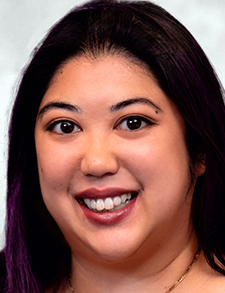
Dr. Tran
Dr. Tran has served on the Women in PHM steering committee under the American Academy of Pediatrics section on hospital medicine since 2022. With the steering committee, she’s been a part of workshops focusing on achieving gender equity in medicine. “I am actively engaged in my institution in teaching and mentoring, where I hope to inspire and support the next generation of women in medicine,” she said. “I also try to use my social media accounts to uplift and sponsor women in medicine, to highlight the achievements of women in medicine, and to connect with and support younger women in medicine.”
Dr. Tran says she’s had great mentors throughout her career. “I’ve had the honor of calling Dr. Joanne Kennedy my mentor since I was a teenager. She was the first pediatric hospitalist that I ever met and without a doubt, she’s the reason I am a pediatric hospitalist!” she said. “Dr. Kennedy helped me frame my medical career—first to medicine, then to pediatrics, and then to pediatric hospital medicine, and to this day I still consult with her regularly.” Dr. Tran also counts her residency program director, Dr. Yameika Head, as a great mentor who helped her recognize her worth as a physician and as a leader within the program. Her fellowship program director, Dr. Susan Flesher, supported her desire for further education and sponsored her through a master’s degree in health care administration during her fellowship.
“These women, and many others, have offered invaluable advice, shared their experiences, helped me build networks, and provided opportunities for me to grow both academically and professionally,” Dr. Tran said. “They have instilled in me a love for teaching, a passion for advocacy, and the resilience needed as a woman in medicine.”
Women in hospital medicine, like women in the workplace at large, face several ongoing challenges, says Dr. Tran: the persistent gender pay gap, underrepresentation of women in leadership roles, work-life balance, and gender discrimination. “Greater awareness of this disparity and allyship on an individual level is proving to help some women face these challenges, but there will be no forward progress without translating this allyship into a systemic cultural change,” she said. “This systemic change is vital for creating and sustaining an equitable work environment for women in hospital medicine.”
While Dr. Tran modestly says she doesn’t feel qualified to offer anyone advice, she encourages women in medicine to know their worth and surround themselves with people who recognize their value and will advocate for them. “These are the people who will help you frame the career you want for yourself, will sponsor you for opportunities that align with your personal and professional goals, and will support you on your own journey,” she said. “Oh, and also the best advice I’ve ever received is this: ‘No’ is a complete sentence.”
Catherine Washburn, MD
Assistant professor of medicine, Johns Hopkins University, Baltimore
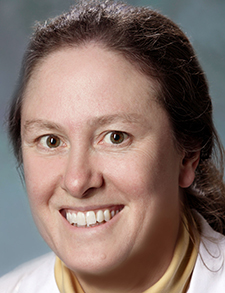
Dr. Washburn
Dr. Washburn is the wellness director for her hospital-medicine group. In that capacity, she’s the leadership champion for its women-in-medicine affinity group, which supports social and teambuilding events that encourage women hospitalists to “go for it” professionally and support them as they navigate motherhood and their early careers.
“We also advocate for individuals’ needs behind the scenes,” Dr. Washburn said. “I want to see the women in my group achieve what they are capable of—which is greatness.”
When it comes to mentors, Dr. Washburn says she hasn’t had many until recently. She said it was mainly because she didn’t understand the importance of mentors. “I do have a mentor now and am cultivating others,” she said. “My mentor has encouraged me to take chances and given me opportunities for added responsibility.”
Dr. Washburn says one of the challenges facing women in hospital medicine is that they still do the lion’s share of caregiving and unpaid labor in the home. “Until we change that, we will not achieve career equity with men,” she said. “Married mothers do nearly 3.5 times as much core housework—unpaid home labor—as married fathers. And while we are in the moment, it’s very difficult to change the dynamic that led to the inequity. Another huge challenge for some women in the U.S. is the threat to their ability to control their fertility, through limitations/bans on abortion and birth control.”
Advice for women in hospital medicine:
- Bloom where you’re planted
- Negotiate—with your leadership for equitable pay and with your partner for a true sharing of parenting, caregiving, and unpaid labor responsibilities
- Just say yes. Volunteer for things, don’t wait for the perfect opportunity to come along
- Make use of mentors, coaches, and therapists
- Speak up
Danielle L. Clark, MD, MEd
Assistant professor of medicine and associate program director of internal medicine residency, University of Cincinnati Medical Center, Cincinnati
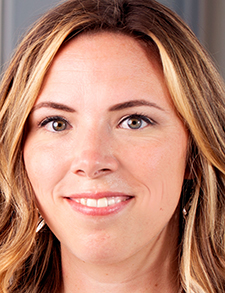
Dr. Clark
Dr. Clark is the president of Women in Medicine and Science (WIMS) at her institution. “Our chapter is dedicated to promoting gender equity at our institution and beyond,” she said. “In my role, I set up professional development opportunities, run networking events, and have helped establish a new mentorship program at our college which reached more than 50 of our women faculty during its pilot year.”
WIMS also actively advocates for gender-equity policies, most recently tackling parental leave and lactation space at UC Cincinnati. By promoting leadership opportunities and recognizing the amazing efforts of chapter members and women at the institution, WIMS empowers women physicians at all stages of their careers. The group also brings in speakers from the community, such as the director for public policy for Planned Parenthood Ohio, hoping to inspire others to contribute to a more equitable health care system.
Dr. Clark says mentors have played a crucial role in her professional journey as a physician, providing guidance, support, and valuable insights that have helped her navigate academic medicine. And, while mentorships are beneficial, she says the importance of sponsorship cannot be overstated. “Despite being early in my career, sponsors have helped shape its trajectory, sharing opportunities for publications and speaking engagements, and ensuring my work is recognized by their leaders as well,” she said.
She says the biggest challenge for women is the lack of access to affordable and reliable childcare, which is particularly difficult for trainees who often have significant debt and work atypical hours. Another challenge is the lack of representation in health care leadership. “Although we witness more women entering the field of medicine, there’s a disparity when it comes to women holding high-level leadership roles, particularly in academic medicine,” Dr. Clark said. “Addressing this challenge requires fostering an environment that promotes equal opportunities for leadership development, establishing mentorship and sponsorship programs specifically tailored for women, and implementing policies that ensure gender diversity in leadership positions.”
Her advice for women in hospital medicine is to “lift while you climb,” a phrase that’s embodied by many of her leaders. “As women, it is crucial to support and uplift one another in our professional journeys,” she said. “We must all learn how to be successful mentors, and even better yet, excellent sponsors!”
She also advises women to actively seek opportunities to mentor and empower other women in medicine, sharing their knowledge and experiences. By fostering a supportive network and advocating for each other’s success, women can break barriers of bias, overcome challenges, and collectively advance gender equity in medicine to create a more inclusive environment.
Khaalisha Ajala, MD, MBA, FHM
Assistant professor of medicine, Emory University School of Medicine, Atlanta
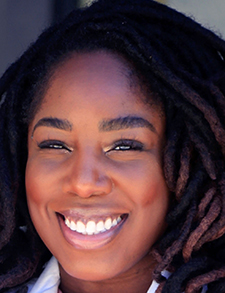
Dr. Ajala
Dr. Ajala says her advocacy for women in medicine starts with students—from premed and med students to physician assistant students, pharmacy residents, interns, and residents.
“While the medical profession has grown quite a bit and you see a representation of Black women, there are still some programs where you may not see many of us,” she said. She wants learners at all levels to see how she’s grown within her career, how she’s made her love for hospital medicine work for her, and how they can do the same.
She sees her role as an academic hospitalist as a platform not only to talk about how to manage patients in the inpatient service but also to educate learners about what it’s like to practice hospital medicine and what a fruitful career it can be. “I try to help them to understand our schedules, our lifestyles, how much hospital medicine has grown, and how much we can impact change,” she said.
“Many K-12 students see that half of the people in medicine are women,” she said. “But, what I found interesting is that the key questions middle and high school girls ask are ‘How do you plan to have a family if you’re a woman and a doctor? Do you want children? Will you have a nanny? If you’re married, how will you get your husband or partner to help with childcare?’”
Many medical students and residents ask this question as they’re deciding which field they should go into because they’re trying to figure out their lifestyle and family and caregiving roles she says. “Those of us who identify as women take on more of the domestic burden at home or the domestic role.”
Dr. Ajala acknowledges that these are real concerns and questions and tries to ease that anxiety and tell these future women of medicine that there are many ways for them to care for their families and still be a hospitalist.
“I tell them I have a passion to help others and I find that in global medicine, “ she said. “And if you feel that’s your calling, the support will follow, but you shouldn’t limit yourself based on the fear of not having a partner who may not support your goals. I point out that I do have a supportive husband, and I’ve had these conversations with him that when the time comes and we have a little one, I’m still going to have this passion.”
Dr. Ajala encourages learners to find someone who has the same sense of adventure and wants to help others and not to hide that part of themselves to have a future with a person—it doesn’t serve you, your career, or your patients, she says.
Dr. Ajala has had many mentors during her career—Dr. Daniel Howard, Dr. Daniel Dressler, Dr. Dan Hunt, Dr. Kimberly Manning, and Dr. Joanna Bonsall. They helped by introducing her to the ideas of hospital medicine, mentorship, coaching, and sponsorship.
She says the sponsorship manifested in her speaking to various groups—as she did at SHM Converge 2023 with her Rounding While Black session—and becoming involved in different committees, like SHM’s Diversity, Equity, and Inclusion committee. Being involved in the DEI committee enabled her to help develop the pathway program which engages local students at every Converge.
Aside from her role as an academic hospitalist, and her involvement in committees and groups, she also has a nonprofit—Tribe Called Health, which is a local community-facing health program.
Dr. Ajala says the biggest challenge for women in medicine is themselves. “It’s us, not going after or applying for what we deserve,” she said. “It’s not seeing the leader in ourselves.”
She explains that while the idea of imposter syndrome is real, “It’s not as much about how all women or how Black women see themselves, it’s about the fact that these systems that led them to feel insecure about their potential are still in place. Imposter syndrome doesn’t occur in a vacuum. I get the idea behind imposter syndrome, but that absolves the systems in place that are still making young girls think they need to reconsider a dream they had to be a physician because of the feedback they’re getting in school or from their mother’s experience in the world.”
The system is what makes all of those learners question if they’ll have to derail their careers to be a mother. Dr. Ajala says there are the stressors and pressures that come with the job, but then women have the added worry about how they’re perceived—such as “Are they pulling their weight if they have to take the day off to care for a child or parent? Are they placing a burden on their colleagues if they need to leave early?”
“Sometimes the biggest struggle we have is still within ourselves because there’s a shame there that many women in our careers face for just wanting to acknowledge our humanity,” Dr. Ajala said.
There is also a certain expectation in the way women emote with patients. “There’s an expectation that I will emote a little bit more, have a little bit more empathy, to make the patient feel more comforted,” she said. “And, there’s already an assumption when I walk into the room that I may be transport, or nursing staff, or dietary staff. So, I repeat myself a few times because that happens. After all, I’m a woman and I’m a Black woman.”
Dr. Ajala’s advice for women in medicine is “Go for it and make sure you have those around you who really support you. Have pride in yourself. Don’t carry that burden of shame and guilt a lot of women carry for wanting to grow within their careers, or for scaling back their schedule to fit time for wellness and for their families. Find a community of women, supportive men, and/or nonbinary people who can encourage you to imagine a career that works for you.”
Jessica Allan (@JessieAllanMD), MD
Pediatric hospitalist, Palo Alto Medical Foundation, and adjunct clinical associate professor of pediatrics, Stanford University School of Medicine, Palo Alto, Calif.
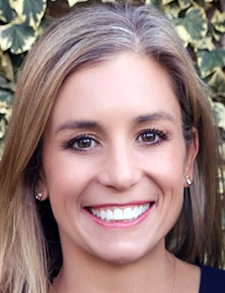
Dr. Allan
Dr. Allan has become increasingly engaged in gender-equity research and advocacy over the past few years to support her colleagues and optimize patient care. In 2019, she and Dr. Julie Kim led a workshop on gender bias in medicine at the Pediatric Hospital Medicine (PHM) conference. They recognized there was a need to create a community of support for women in the field, and the 500 people who joined the Women in PHM sub-committee confirmed this need.
Simultaneously, they worked with colleagues to publish information relevant to all physicians—not just women—in pediatric hospital medicine. In a Journal of Hospital Medicine article, Dr. Allan and her co-authors analyzed the proportion of women in leadership positions at university-based PHM programs and found that compared with the PHM field at large, women are underrepresented as PHM division and program leaders. More recently, she published a research letter in JAMA Network Open that demonstrated the continued underrepresentation of women editors among high-impact pediatric journals.
Dr. Allan says having mentors for different personal and professional buckets has been key. “Dr. Julie Kim has been a wonderful mentor and collaborator,” she said. “Dr. Barrett Fromme is a critical mentor and has sponsored me for numerous opportunities. For example, she mentored me through my first grand rounds presentation and first national leadership position.” Dr. Allan has several research mentors, and she appreciates how they can enter your life at all stages of your career and do not necessarily have to be more senior. For example, early career pathologist Dr. Jeremy Jacobs recently “mentored up” and taught her important skills for gender-equity research.
The evidence showing gender disparities in medicine is plentiful. “We need to transition our focus to implementing effective system-based strategies to support women in medicine,” Dr. Allan said. “As hospitalists, we are experts in navigating complex, dynamic hospitals and are in a prime position to improve the system for women in medicine.”
Recently, she was a co-editor of a Women in Medicine and Science supplement for the Journal of Medical Internet Research, and lead author on an article describing immediate actions to promote equity in the workplace. These actions include regularly conducting ‘stay interviews’ to increase physician retention and transparently tracking departmental/divisional metrics such as discretionary funding and committee work.
Her advice for women in medicine is that instead of women changing or doing more, allies should start intentionally sponsoring women. The Sponsor Her campaign led by Dr. Julie Silver was just launched to increase the sponsorship of women in medicine. This annual strategic initiative is aimed at improving gender equity in the health care workforce as a component of the Harvard Medical School women’s leadership CME course. Partners in the campaign include the American Medical Women’s Association and the Executive Leadership in Academic Medicine Program.
“Some ways allies can sponsor a woman include nominating her for an award, amplifying her work on public platforms, inviting her for a speaking opportunity, and sponsoring her for a senior authorship position,” Dr. Allan said. “A good way to start is to ask her, ‘How can I best sponsor you in a way that will be helpful to you in your career?’ Keep in mind that not only do trainees and early-career women in medicine benefit from sponsorship but so do mid-career and more senior women.”
Jennifer K. Readlynn (@jenreadlynn), MD, FHM
Hospitalist and clinician educator, University of Rochester School of Medicine & Dentistry, Rochester, N.Y.
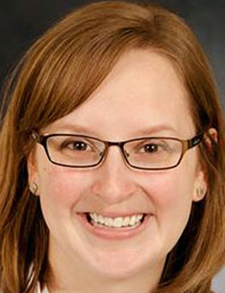
Dr. Readlynn
Advocating for women in hospital medicine is near and dear to Dr. Readlynn’s heart. She collaborates with peer mentors to ensure they understand the state of women in medicine at her institution and how to problem-solve the pain points. “We have a women in medicine interest group in our department that not only highlights the accomplishments of women in the department but also brings in speakers and collaborates with our DEI [diversity, equity, and inclusion] team to work on projects to improve the lives and address issues for women in medicine,” she said. “This includes a microaggression/discrimination/bias reporting system and an awards committee to ensure women in our department are recognized for the work they do, both locally and nationally.”
Dr. Readlynn says she’s been fortunate to have multiple mentors throughout her career. She has peer mentors (Dr. Christine Osborne, Dr. Meghan Train, and Dr. Jenn Zagursky) who help ground her in reality and build her up when she’s going through a tough stretch. Dr. Amy Blatt and Dr. Valerie Lang have been excellent mentors in medical education and encouraged her to explore interests in antiracism in medical education and medical education scholarship. “My mentors know me and my values and help me deal with the ups and downs of a career in academic hospital medicine,” she said. “They also understand me as a whole person and help me maintain my identities of wife and mother outside of medicine. I’ve also found several mentors through SHM—on the academic committee and Journal of Hospital Medicine, and, of course, through JHMchats!” The ability to interact with such a broad community and meet people outside her home institution has been valuable and enhanced her experiences through SHM. Even seeing the careers of women in hospital medicine she admires, like Dr. Kimberly Manning and Dr. Vineet Arora, motivates her to keep going and trying to make the systems better.
“I think the biggest challenges for women still center around being taken seriously and having the same opportunities as male colleagues,” Dr. Readlynn said. “Very few men still take paternity leave, so there is still a stigma or concern about women’s ‘dedication’ or ability to take on a new leadership role or project when they take maternity leave. Women continue to fight against gender stereotypes and be seen as the physician in the room. This not only occurs with patients but with colleagues as well. Despite our presence in hospital medicine, women still need to work to establish respect from others.”
Dr. Readlynn’s advice to other women in hospital medicine is to find your community—whether it’s in your institution, on Twitter, or through national meetings like SHM Converge or Women in Medicine Summit. She says it helps to have co-commiserators to know you’re not in it alone, but remember to turn into co-conspirators who are part of the solution. “I love the quote from Ruth Bader-Ginsburg, ‘Speak your mind, even if your voice shakes’,” she said. “Mine certainly will but I have learned with time that it matters and can make a difference. The next time I speak up, it’s a little less shaky.”
Alyssa M. Stephany, MD, MS, PFF (ICF), SFHM
Director, physician-provider organizational support, director, leadership center for physicians, and associate professor, University of Kansas School of Medicine and University of Missouri-Kansas City School of Medicine, Children’s Mercy Kansas City, Kansas City, Mo.
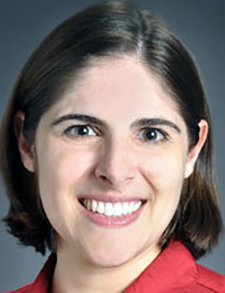
Dr. Stephany
Dr. Stephany said. “I love being able to connect with women in hospital medicine and help them make connections. I truly believe that much of my success has come through the relationships I’ve built in SHM, so I love being able to connect other women to people who can help sponsor them and their work.”
Dr. Stephany says she’s had amazing mentors and advises people to look for mentors with similar qualities. She says to seek mentors who will help you reach your potential and even stretch beyond what you think your potential is, believe in you even when you don’t believe in yourself, and give you important critical feedback.
The biggest challenge for women, she says, is the belief that there’s a perfect balance. “I used to strive for balance until I realized that I wanted to reframe things into ‘fluid presence.’ Picture the bubbles in a lava lamp—at any one time in your life you bubble in this direction or that direction. Whether you’re on service, in a leadership meeting, or at your kids’ play, bubble fully in that direction and be present fully.”
Dr. Stephany says that while she will never feel ‘balanced’, she knows she can feel fully present, and this idea of seeing work-life as fluid helps her feel good about what she does and who she is as a physician, physician-leader, wife, and mother.
Her advice for other women in hospital medicine is something one of her best mentors reminds her, “Do you love someone and does someone love you? That’s likely all that really matters.”
Pavani Gunda MD, FACP, CHCQM, CDIP, Dipl ABLM, SFHM
Hospitalist, medical director at Jefferson Health New Jersey, Washington Township, N.J.
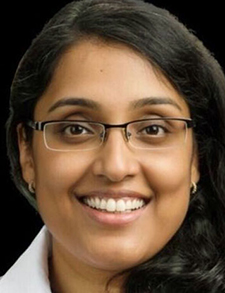
Dr. Gunda
Dr. Gunda, who is also a mindfulness-based stress reduction teacher and a certified yoga instructor, advocates for women in her various roles. “I’ve been a great advocate for giving equal opportunities,” she said. “When I’ve had the capability to hire, I’ve always advocated for equality in department, leadership, and committee positions.”
Aside from that, Dr. Gunda also likes to have a supportive workplace program that encourages health and well-being; a space where women can uplift one another and support each other.
Mentors have been a vital component of Dr. Gunda’s life and career. “When I did my residency, this was a new place, a new country for me,” she said. “I went to med school in India, so it was very different. Although I wanted to do a fellowship in pulmonary critical care, my mentor, Dr. Ronald Ciubotaru, recognized something in me. He said we need good physicians like me to remain in the practice of primary care and not to worry if I did not get into a fellowship program. That really touched me.”
Dr. Gunda found satisfaction working in hospital medicine where she could see diverse patients. Although Dr. Ciubotaru has passed away, Dr. Gunda says every time she treats a patient, she notices his practice style in hers. He also taught her to treat her patients as if she were treating her family members.
Dr. Gunda grew up with her grandmother; she views her and her mother, who was a physician, as two strong mentors in her life.
“I learned strength, kindness, and resilience from my grandmother. She was my first teacher,” she said. “My mother was a very successful OBGYN, and I absorbed the qualities of honesty, trust, and moral uprightness from her.”
As others have said, work-life balance, especially as a mother, is a big challenge for women in hospital medicine. Early on in her career, it was especially challenging with two small children working 12 on 12 off shifts. She spent her time raising her children, working, and neglecting herself. She says she started feeling burnout right around the five to seven-year mark in her career and questioned whether to remain a hospitalist, pursue a further fellowship, or go into something else—something that would give her some control over her time and schedule. She turned to her close friends from medical school then—both of whom are specialists. Dr. Gunda soon realized they did not possess any more control over their schedules than she did. Looking for something she could control, Dr. Gunda turned to wellness—taking care of herself first so she could better care for her children and patients.
“That’s how my journey from illness to wellness started,” she said. She added yoga instructor and mindfulness teacher to her many roles, worked shorter shifts, and took on more administrative work, which allowed her more flexibility. “That gave me time for wellness. I started with morning walks every day. I have set aside mornings as my time for wellness and self-care. I started giving different care to my patients—better care, I think, because I was happy and well and advocating the same for them.”
Dr. Gunda says achieving work-life balance is difficult, to begin with, but even more so for single parents or individuals who do not have social support or families living around them. This is another reason she advocates for health and wellness and supportive programs for women in the workplace.
“Work-life balance is one challenge, and the other thing is that we forget to take care of ourselves,” she said. “Self-care is extremely important. These are the most essential things that affect what we do.”
Dr. Gunda encourages all women in hospital medicine to lean into their strengths, stay grounded, and seek a good work-life balance.
“When I was burnt out, I thought I was going to leave hospital medicine, but I did not,” she said. “This is my 16th year as a hospitalist, and whatever I am today, whatever I have gained, whether it’s knowledge, experience, or credentials—I am basically a hospitalist at heart. I am still working, and I truly enjoy my work.”
Karen A. Friedman (@KarenFriedman9), MD, MS-HPPL, FACP
The Lawrence Scherr Endowed Professor of Medicine, vice chair for education, and internal medicine residency program director, North Shore University Hospital and Long Island Jewish Hospital, Manhasset, N.Y.
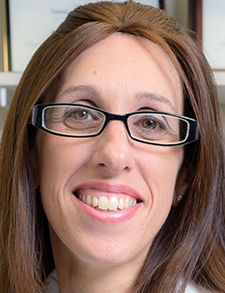
Dr. Friedman
Dr. Friedman says one of the most rewarding things she’s done to help advocate for women in hospital medicine is through the academic promotion process. She created a group through the Alliance for Academic Internal Medicine (AAIM) called PSWIM, or promotional support for women in medicine. “We created a repository of volunteer promotional letter writers specifically for women seeking academic promotion as clinician educators,” she said. “While there are many barriers to women achieving the levels of associate and full professor, finding external referees can be especially challenging. Often women with multiple responsibilities find it difficult to attend conferences and make these connections. We have a process whereby we provide letter writers for women going up for academic promotion. In this group, I collaborate with about 15 other AAIM members every month. In the last three months alone, we’ve made 33 matches for letters.”
Dr. Friedman has had many mentors during her career. “They’ve all taught me that anything you want is achievable through hard work,” she said. “They also taught me to advocate for myself, and once I achieved a certain level to use that status to advocate for others. The single greatest advantage of achieving academic stature as a female is my ability to mentor junior faculty and advocate for them.”
While women, for the first time, make up more than 50% of medical school classes, the numbers drop for women entering academic medicine. “The greatest challenge we face right now is gender equity in the highest level of academic medicine, i.e., deans of medical schools and chairs of departments,” Dr. Friedman said. “Women need mentorship and sponsorship and the opportunity to participate in skill-building programs such as the Executive Leadership in Academic Medicine program.”
Dr. Friedman says she often tells other women in medicine that they are not alone. “It literally takes a village to succeed and you just need to find your village,” she said. “Seek out mentors and sponsors and actively participate in sessions, courses, and conferences that teach you the skills you need to succeed. Also, listen to the stories of the women around you who have achieved the level you want to achieve; you will see that they have struggled the same as you. Hearing their stories can be inspirational.”
Avital O’Glasser (@aoglasser), MD, FACP, SFHM
Professor of medicine, and medical director of pre-op clinic, Oregon Health & Science University, Portland, Ore.
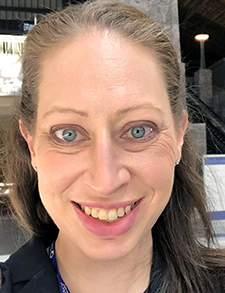
Dr. O’Glasser
Dr. O’Glasser takes her responsibility to role model, advocate, and pay it forward seriously.
Being recognized for their work, whether through promotion or other means, is often a struggle for women in medicine. Dr. O’Glasser understands this—she was named full professor this summer—and also understands that sometimes you have to be your own advocate. And that’s exactly what she did when she put herself up for the promotion.
Countless articles and studies report that women often don’t apply for jobs or promotions unless they meet every requirement, while men apply for the same roles even if they don’t meet the requirements. Dr. O’Glasser said she’s fortunate that her division created a faculty promotion and assessment committee to help hospitalists reach their goals. This is especially helpful for women.
The committee reviews your curriculum vitae (CV) and helps you figure out what you could fill in or accomplish to meet your goals. And that’s what Dr. O’Glasser did.
“About two years ago, I was getting close to the time-based minimum requirement in rank, and I was curious about where I stood,” she said. “I got very constructive, positive feedback and I was 100% ready, not 110%.”
Part of that feedback involved how to add her non-traditional work—the digital scholarship, and social-media-based activities—to her professional dossier and outline its impact and trajectory. To pay it forward, Dr. O’Glasser posted a thread on Twitter (X) about how to put yourself up for promotion. Her thread, posted in July, outlines, among other things, how you incorporate these talents and skill sets into your CV.
Another advocacy avenue is championing the issues that disproportionately affect women. Dr. O’Glasser says discussions about staffing models are important, and if you have a seat at the table you need to have robust conversations about maternal or paternal leave, the logistics of sick days, and the culture that surrounds both.
While everyone acknowledges the importance mentors can have on your career, Dr. O’Glasser says not everyone knows what that looks like. “I got a lot of advice early in my career—you need to have mentors,” she said. “I didn’t know what that meant or what it could do for me. It just seemed like one more task to add to my to-do list. But I learned that having a deep bench of mentors is crucial.”
She stresses the importance of having mentors at different levels in their careers and at different levels compared to your career. She also says it’s good to have mentors for different things. You need “battle buddies”—people to discuss the day-to-day issues that come with being in the trenches and a “kitchen cabinet”—those who give you advice on your clinical roles and the niches outside of clinical medicine like your passions, family life, and leadership roles.
Gaining a mentor doesn’t have to be a huge task on your to-do list. “The most robust mentorship relationship I have started organically by striking up a conversation with somebody,” Dr. O’Glasser said.
One of the biggest challenges women in medicine face is the same one all hospitalists face—shift work. Often this affects women more, though, because they disproportionately take on more caregiver roles outside of their careers. Dr. O’Glasser says flexible or creative staffing models that meet people where they are in their lives would go a long way toward alleviating this challenge.
“One of the other challenges is helping hospitalists articulate that the work they’re doing counts as academic accomplishments, especially for women,” she said. “We do have data that shows women disproportionately picked up that kind of volunteer stuff [work housekeeping] during COVID-19. How do we help people get that on their CVs?”
For example, hospitals who shifted to lay-facing outreach groups during the pandemic, or who have health-systems leadership roles, should be able to reflect how impactful those efforts were on their CVs.
Dr. O’Glasser’s advice to other women hospitalists is to have a psychologically safe space and set boundaries. “If I could be like the Cinderella fairy godmother, I would grant everybody that ability. I know many people are not in a position to be able to do that based on their work group culture. There’s so much pressure on junior faculty to say yes to every committee invite they get.”
If you’re given three opportunities, for example, and one is going to look best on your CV, one is going to be the best fit for your schedule, and one is going to be a little more time-intensive but ignites your passions, “you have to work through what’s going to be best for you, not best for somebody else or best for your boss.”
“That’s my biggest piece of advice—realize that setting boundaries is important and healthy, and it’s crucially important to well-being and wellness.”